

Metals Selected for Glass Fittings.
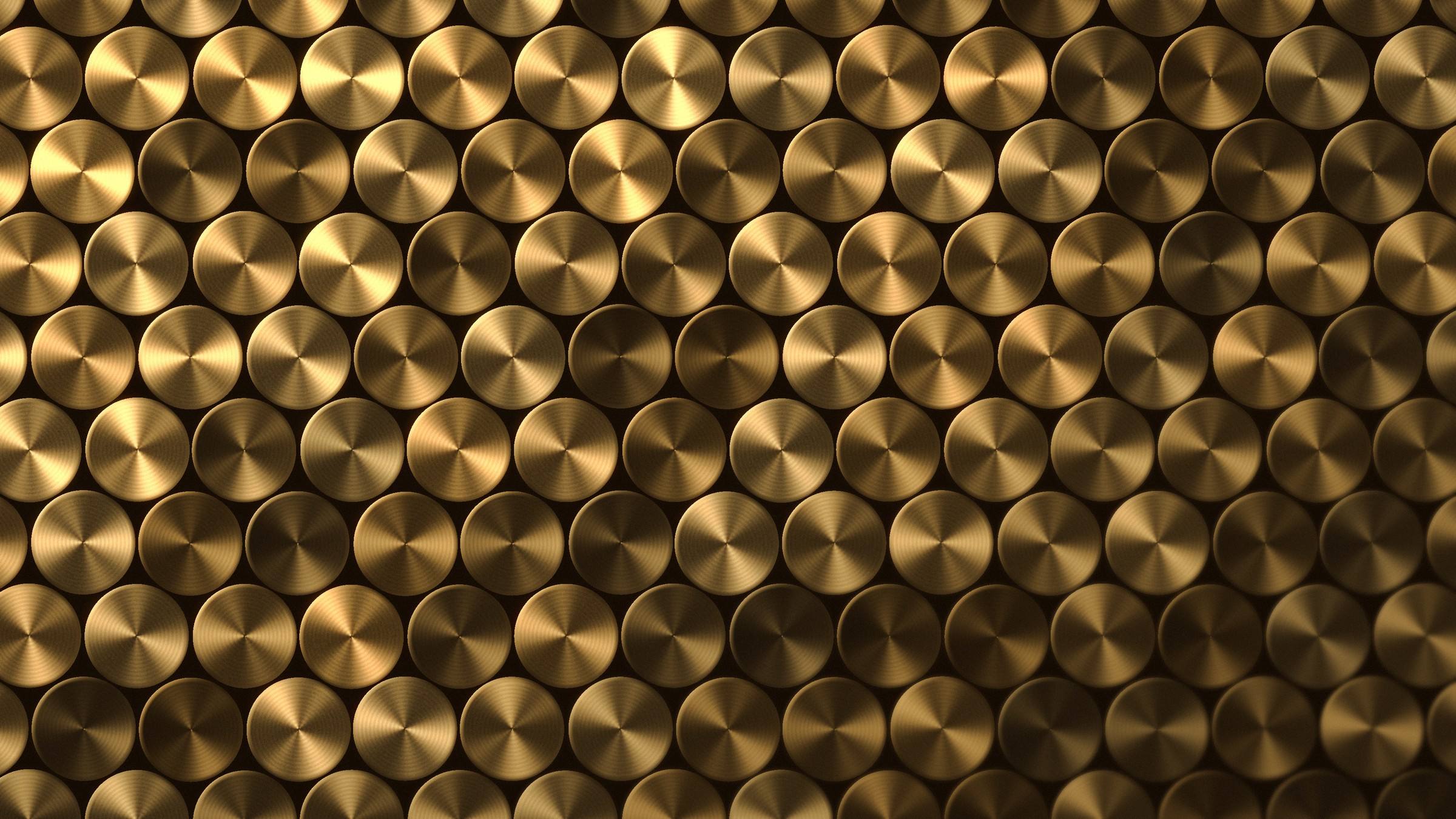
In brief
We select high-grade brass and stainless steel for the way each glass fitting will be formed, machined, polished, plated and used. The right grade reduces avoidable surface defects and supports reliable performance in the intended environment.
A finish can hide a weak material for a season, not for a decade. Porosity shows through the polish. The wrong brass gives up its zinc in a wet bathroom. The wrong steel stains outdoors. So the material comes first on every project. It costs more at the start. Only the best are built to last.
What the Metal Has to Survive.
Every process tests the metal, and so does every year in service. Before we recommend a material we ask how the part will be made and where it will live.
- Forming — how the alloy fills a forging die or an investment-casting mould.
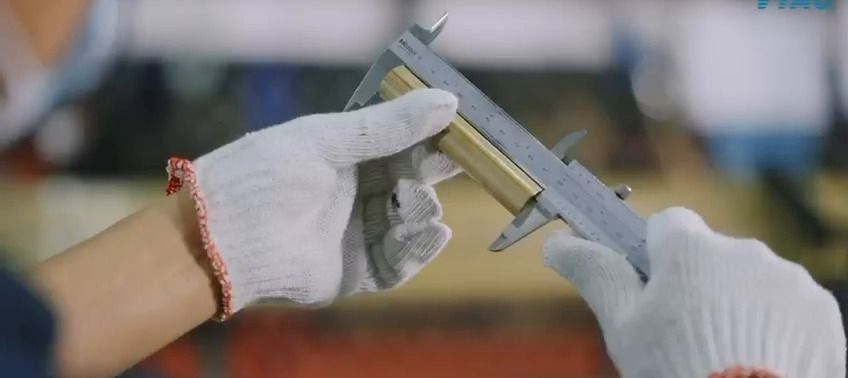
- Machining — how cleanly it cuts, and how well it holds a dimension afterwards.
- Polishing — porosity and inclusions that are invisible in a rough part appear on a polished face.
- Plating — the base metal and its surface decide how a finish adheres and how it looks.
- Use — moisture, cleaning, handling and load over years of service.
Two Metals. No Shortcuts.
A
Brass
For detailed, polished and plated components.
- Forges and machines cleanly, which suits hinge bodies, clamps and other parts with fine detail.
- Takes a high polish and gives plated finishes a sound, even base.
- In some water and humid conditions, zinc can be drawn out of certain brasses over time, leaving a weaker, copper-rich structure. This is dezincification, and alloy composition strongly affects how susceptible a brass is.
- We use brass alloys engineered to resist dezincification.
B
Stainless Steel
For strength and a natural metal surface.
- Used for railing components, structural glass fittings, handles and other parts where strength and a solid metal surface are required.
- Each setting gets its own grade: an interior handrail, a shower enclosure and an exposed balcony are different briefs.
- Surface condition matters as much as grade: a smoother, well-finished surface holds less dirt and moisture.
- Grade and finish are proposed together, for the environment you describe to us.
From Bar Stock to Component.
Inside our factory: brass bar is received, racked and issued by batch, then forged, machined and finished within the same production system.
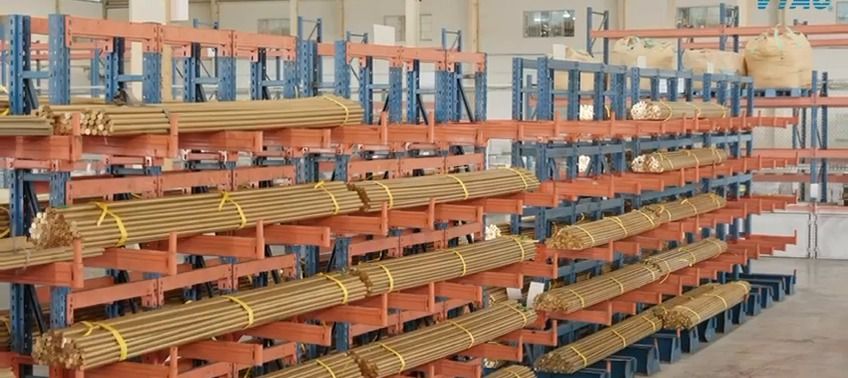
01 — Raw material, racked by batch 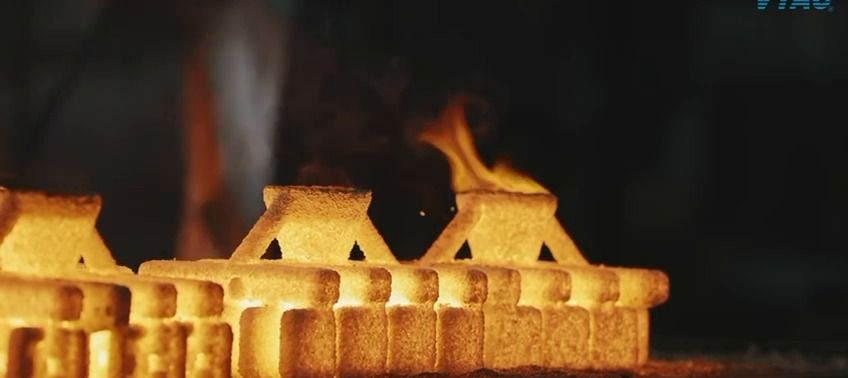
02 — Brass billets heated for forging 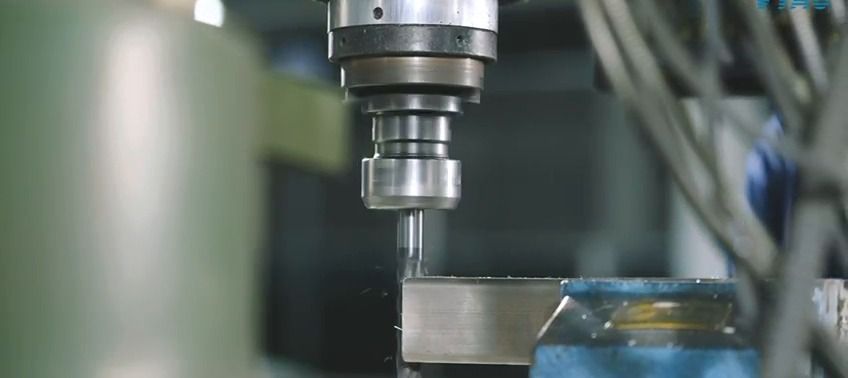
03 — Machining 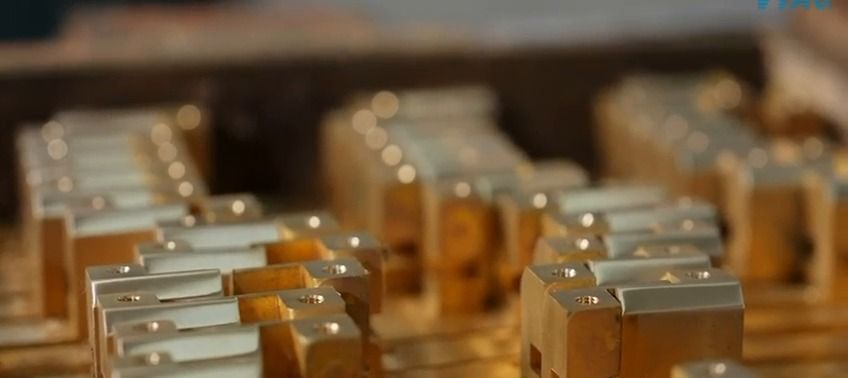
04 — Machined brass components
Stills from our 2026 factory film.
Technical notes
Technical Details.
- Materials
- Brass and stainless steel, with the alloy or grade stated in the quotation and on the approved drawing.
- Dezincification
- Dezincification-resistant brass alloys for wet service. If your market calls for a specific standard or test, name it in your enquiry.
- Stainless steel and environment
- Grade and finish are specified for the interior, exterior, coastal or pool environment of each project. See “Weather Is Part of the Design”.
- Documentation
- Material and grade are stated for every product. Material certificates are available on request.
- Care
- Care and cleaning guidance is available for our stainless-steel and plated finishes.
Premium Raw Materials · Brass & stainless steel
Start with the Right Metal.
Tell us how the part will be used and finished. We will propose a material and process route with the quotation.